
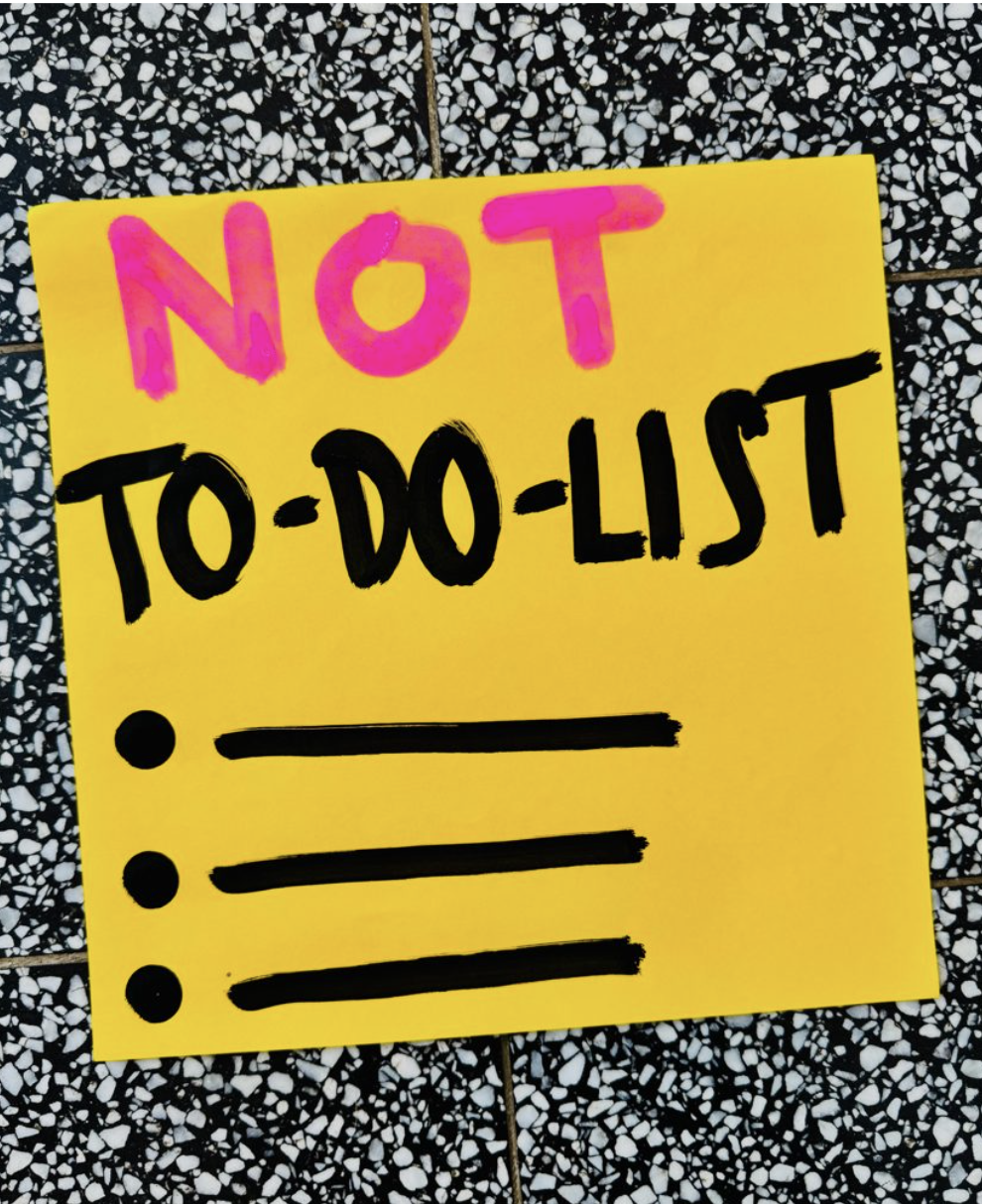
It's that time of year. Planning decks are being written, budgets argued over and every team is adding to next year's list: new priorities and projects, an initiative or two…
What almost nobody does? Take things off the list. Every item has a fan, and teams struggle to stop existing workstreams. "We have always done it this way." Then February arrives and everyone wonders why they are in back-to-back meetings and the momentum of the new year has gone…
So before you finish next year's to-do list, write the other one first: what you're going to stop.
Peter Drucker called this "planned abandonment" and gave it a simple test: if we weren't already doing this, would we start it now? If the answer is no, don't ask how to fix it. Ask how quickly you can stop.
At WITHIN, the leadership and culture change consultancy, we had to ask ourselves that question about something we were really proud of. In 2024 we started running a free 90-minute masterclass on "Unhelpful Leadership Habits". We ran more than 25 free online workshops with 200+ leaders. The NPS scores were amazing and some of the people who came went on to become clients…
But it didn't really connect to a pain point leaders were willing to invest in. So after 18 months we stopped. It wasn't an easy call, because nothing about the workshop itself was broken. We had learned a huge amount delivering it. It just wasn't the best use of our time any more. Stopping freed up three hours every week, which we used to develop a new set of services.
How to build a NOT-TO-DO list with your team (45 minutes)
List everything. Put every recurring meeting, report, project and "temporary" workaround on a wall. Everyone adds what only they can see.
Run the Drucker test. For each item, ask: would we start this today? Be honest about the ones that survive on habit, ego or politics.
Sort into three piles: stop, shrink or keep. Shrinking counts. A weekly meeting can become monthly. A 10-page report can become one page.
Say it out loud. Tell the wider team what's stopping and why.
One watch-out: stopping things is emotional. Someone built that report, championed that project, chaired that meeting. Honour what it brought to the team so far and make space for what's needed now.
