
Top 5 leadership painpoints 🧨
Since the start of the year we've spoken with more than 30 C-Suite leaders about the challenges they're facing with their most senior teams. Here’s a list of the painpoints we have heard most often:
1. Indoor Cats vs. Wild Cats: As organisations grow and age, the dynamism and hunger of the early days often fades away... Leaders are left with senior teams that aren’t motivated to grow and hunt as much as in the early days.
“Most of my people show a ‘fixed mindset’ - how can I shift this quickly and cultivate a ‘growth mindset’?”
2. Leading through change: In many organisations the pace of changes is increasing - but often employees are tired and overwhelmed by this level of uncertainty.
“My team is reluctant to embrace the change ahead - how can I help them see the opportunities - and remind them that they have managed change successfully before?”
3. Got to work with the team I have! Leaders are often confronted with a team that isn’t where it needs it to be. Either because they have inherited a team that isn’t fit for purpose or because labour law makes it difficult to let staff go.
“I can’t replace my whole team - how can I bring about effective change and upskill key members of my team, fast?”
4. Low batttery: employee engagement is at an all-time low. The effects of COVID-19 and the tricky ‘back-to-office’ fights have created ‘resenteeism’: many people stay at their job for the salary but resent pretty much everything else about it…
“How can I re-energise my leaders who are tired and disillusioned? So that in turn they lead their teams with drive and warmth?”
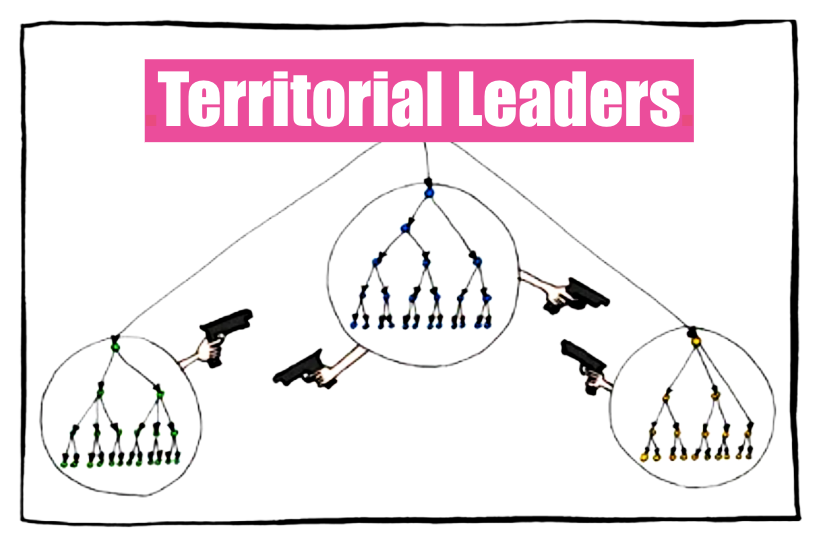
5. “This-is-not-my-first-team”-mentality: Leaders have their Exec Team. But everyone runs their own fiefdom and is fighting for resource and attention.
“How do I break down silos and get leaders making decisions that benefit the whole business, not just their own departments?”
If any of these painpoints resonate with you, please get in touch. We'd love to explore how we might help you crack them and are happy to share case studies for each.